Fleas in South Carolina:
A Columbia, SC Homeowner’s Guide
South Carolina’s warm, humid climate makes it a paradise not just for people and pets, but unfortunately for fleas as well. In Columbia, fleas are nearly a year-round challenge due to our hot summers and mild winters that provide ideal breeding conditions almost all year. That means homeowners can face flea problems well beyond the “usual” summer season. Fleas aren’t just a nuisance causing itchy bites; they can also affect the comfort and health of your family and pets. Understanding the local flea situation is crucial. By learning about the types of fleas in South Carolina, their habits, and how to prevent and control them, Columbia homeowners can keep these pesky hitchhikers out of their homes and yards. This guide will walk you through everything you need to know, from identifying common flea species and signs of infestations to busting myths, DIY prevention tips, and when to call in professional help. In short, with a bit of knowledge and proactive effort, you can protect your home and furry friends from South Carolina’s relentless fleas.
Common Flea Species in South Carolina
When we talk about “fleas” bothering homes in South Carolina, we’re usually referring to one of two main species: the cat flea (Ctenocephalides felis) or the dog flea (Ctenocephalides canis). Despite their names, cat fleas are by far the most common fleas on both cats and dogs, in fact, over 95% of fleas found on dogs in the U.S. are actually cat fleas. Cat fleas are versatile and will feed on many warm-blooded animals (dogs, cats, rabbits, squirrels, even rats and birds), making them the #1 flea pest for Columbia homeowners. Dog fleas, on the other hand, are relatively rare in the United States and less adaptable; they’re more prevalent in Europe and don’t infest homes here as often.
All adult fleas are tiny (about 1–3 mm, roughly the size of a sesame seed), wingless but incredible jumpers, with flattened brownish bodies built to slip through fur. They spend most of their adult life on a host animal, biting and feeding on blood. If dislodged or if the host is absent, they can jump long distances (up to ~8 inches high and 15 inches long) to land on a new host. Female fleas need a blood meal to lay eggs and they waste no time once they find a host. Within 48 hours of their first meal, female cat fleas begin producing eggs, ramping up to lay dozens per day. Over her lifespan, one flea can lay hundreds of eggs (some sources say over 400).
What does this mean for you? It means that the common cat flea can invade quickly and in big numbers. These fleas are aggressive biters on pets and will bite humans too if given the chance. They rarely jump off a host on their own, instead, they hitchhike on your dog or cat right into your house, then start breeding. Occasionally, other flea species may be encountered in South Carolina (for example, the Oriental rat flea on rodents, which is known historically for spreading diseases like typhus or plague). However, those are much less common in homes. The cat flea is the primary culprit behind most home infestations in Columbia and throughout the Southeast. It’s the tiny enemy we’ll be focusing on in this guide, since it’s the one most likely to make you and your pets itchy in South Carolina.
The mosquitoes Midlands homeowners notice most
1. Eggs:
1. Eggs:
After each blood meal on your pet, a female flea lays eggs (about 4-8 eggs at a time, and potentially up to 25-50 in a single day under ideal conditions). These eggs are tiny, smooth, and white that look like grains of salt. Crucially, flea eggs aren’t sticky on the pet; they quickly fall off into the environment, your carpet, pet’s bedding, backyard soil, etc. Wherever your pet rests, eggs are being peppered around that area. Eggs hatch in anywhere from 2 days up to 1-2 weeks, depending on temperature and humidity. Warm, humid weather (like Columbia’s summers) can lead to eggs hatching in just a few days, while cooler/drier conditions slow them down.
2. Larvae:
2. Larvae:
A tiny worm-like larva emerges from each egg. Flea larvae are blind, legless “hairy” worms about 2-5 mm long, whitish in color. They squirm away from light and burrow into carpet fibers, pet bedding, or soil. Larvae feed on organic debris and “flea dirt”, which is a polite term for the blood-rich feces adult fleas drop; in essence, adult flea poop becomes the larvae’s food. Larvae grow through several stages over about 5 days up to a couple of weeks. They thrive in dark, humid areas where pets or wildlife have been, think deep in your rug, under furniture cushions, or in shaded yard spots. If conditions are poor (too dry, scarce food), larvae can take longer to mature or may even die out. But in a comfy home environment, they develop quickly.
Image Credit: Peter J. Bryant, via FleaScience.com – Cat flea larva (Ctenocephalides felis) on a light-colored background.
3. Pupae:
3. Pupae:
After getting their fill, the larvae spin silky cocoons and pupate. This is a critical (and frustrating) stage. The cocoon is sticky and often camouflaged by dust and dirt, making it very hard to see. Inside, the larva transforms into an adult flea. Pupae can hatch out as adult fleas in as little as a week if conditions are perfect, or they can stay dormant in the cocoon for months (up to ~4-5 months!) waiting for the right moment to emerge. The cocoon protects them from dangers like insecticides. Vibration, warmth, or carbon dioxide (signs of a host nearby) trigger the adult flea to break out of the cocoon. This is why people who go on vacation return to a “sudden” flea outbreak because the vibrations of your return signal all the waiting pupae to hatch at once.
Image Credit: Auguste Le Roux, via FleaScience.com – A cat flea cocoon torn open to reveal a young, white pupa inside.
4. Adult:
4. Adult:
The newly emerged adult fleas are hungry and jump immediately onto a host if one is present. Adult fleas are the biting stage that causes all the irritation. Once on a dog or cat, an adult flea will feed within minutes and begin the cycle anew by mating and laying more eggs within 1-2 days. Adults generally stay on the animal, not leaving unless forced, but each female flea can drop hundreds of eggs into the environment over her lifetime. In warm conditions, the entire life cycle (egg to adult) can be completed in just 2 to 3 weeks. However, because pupae can pause development, an infestation can linger and continually re-emerge for months if not thoroughly addressed.
Image Credit: Tom Murray, via FleaScience.com – Profile picture of an adult cat flea (Ctenocephalides felis).
How infestations take hold: In South Carolina, it often starts when your pet picks up a few fleas outdoors or from another animal. Those fleas start laying eggs in your home and yard. The majority of a flea infestation (eggs, larvae, pupae) is actually in the environment, not on the pet. One common saying is that for every adult flea you see, there may be hundreds of eggs and larvae hiding in your home. Fleas spread from room to room as eggs roll into cracks in floors or are carried on pet fur or even on your shoes. If you don’t break the life cycle (by eliminating eggs/larvae and killing adults), fleas can multiply exponentially. This is why flea problems can escalate quickly from “I saw one flea on the dog” to “Now they’re everywhere!”, each flea is a tiny egg factory, and in our climate the generations overlap rapidly. Understanding this cycle explains why effective flea control must target not just the adult fleas on pets, but also their eggs and larvae in the home and yard. In the next sections, we’ll talk about where fleas live and how to spot and combat them at each stage.
Flea Habitats: Where They Live Indoors vs. Outdoors
Fleas might be biting you and your pet, but many are lurking out of sight in the environment. Let’s break down the typical flea habitats both inside your home and around your yard in Columbia.
Indoor Flea Hotspots
Indoors, fleas hide wherever pets (or other hosts) spend time. After hopping onto a dog or cat, adult fleas tend to stay on that host, but remember, their eggs fall off into the surroundings. Common indoor flea hotspots include:

Carpets and Rugs:
Wall-to-wall carpeting, area rugs, and floor cracks are prime real estate for flea eggs and larvae. The carpet fibers provide darkness and humidity, and catch the organic debris larvae eat. Flea larvae burrow deep into carpet pile or under area rugs to avoid light. If your pet likes to lounge on a certain rug or carpeted spot, that area can accumulate lots of eggs. Even with hard floors, any textured cracks between hardwood planks or along baseboards can catch flea eggs.

Pet Bedding and Furniture:
Wherever your pet sleeps is usually ground zero for fleas. Dog beds, cat blankets, pet crates, and soft toys can collect eggs and flea “dirt” (flea feces). The same goes for couches, upholstered chairs, and beds if your pet gets on furniture. Fleas often gravitate to the nooks and crannies of furniture, e.g. between couch cushions, in the seams of upholstery, or under the furniture where dust and pet hair gather. These areas are often dark and undisturbed, perfect for larvae to develop.

Cracks and Clutter:
Flea larvae will wiggle into any little crack or crevice to spin their cocoon. This might be in floorboard gaps, under the edges of baseboards, or hidden under clutter on the floor. Cluttered areas (piles of laundry, storage boxes on the floor, etc.) can shield fleas from being disturbed, giving them free rein to develop. Even seldom-moved areas like behind appliances or under a seldom-used bed could harbor some fleas if pets visit those spots.

Car Interiors:
It’s worth noting for completeness, if your dog rides in the car often, fleas can drop eggs there too. Car upholstery and floor mats can host some larvae. (So if you have a heavy infestation, don’t forget to treat or vacuum the car as well.)
Indoors in Columbia, fleas can breed year-round because our heated homes stay in that comfy 65-75°F range they love. They also prefer humidity around 75-85%. Our climate tends to be humid, and even inside a home the humidity can be sufficient for fleas (especially in areas like basements or bathrooms where it might be higher). In short, any spot in your house that’s dark, a bit humid, and frequented by your pet is a potential flea habitat. Fleas will hide in the shadows until a host (you or your pet) comes near, then hop on for a blood meal.
Outdoor Flea Hotspots
Around your yard, fleas thrive in shaded, sheltered places. They don’t do well in open sunlight or very hot, dry areas. In Columbia’s climate, outdoors is where many flea problems begin. Here’s where to watch for them:

Lawn and Yard:
Fleas love yards that provide shade, moisture, and wildlife traffic. Tall grass, overgrown shrubbery, and leaf litter create cool, damp pockets where flea larvae can survive. For instance, the areas under bushes or in shaded flower beds, especially where pets like to rest, are classic flea breeding zones. Fleas are often deposited by wild animals that pass through or nest in your yard (squirrels, raccoons, opossums, stray cats, etc.). These critters drop flea eggs and flea dirt in spots like under porches, in crawl spaces, sheds, or under shrubbery where they bed down. When those eggs develop into adult fleas, they’ll hop onto the next warm body that passes by, oftentimes your dog or cat playing in the yard.

Under Structures & Damp Areas:
Pay attention to underneath decks, porches, or dog houses. These areas stay shaded and often moist (especially if there’s bare soil). If your pet spends time in a doghouse or under the porch to cool off, fleas can build up there. Similarly, crawl spaces under the home or gaps under storage sheds can harbor fleas if wildlife or neighborhood cats are getting in there. Anywhere the ground stays moist (e.g. near leaky hoses, AC drip lines, or in mulched garden beds) can be flea-friendly. Columbia’s frequent rain showers and irrigated lawns mean there are usually some damp spots unless you keep the yard very dry.

Groundcover and Yard Debris:
Fleas larvae can live in soil if it’s shaded, but they also hide in organic debris. Piles of leaves, grass clippings, or pine straw can become refuges for flea development. Dense groundcovers or ivy can similarly create a protected layer for fleas. An overly thatchy lawn or one with lots of yard waste build-up is practically a flea nursery. South Carolina experts note that shaded lawn areas, especially where pets rest, are common outdoor flea sources.
In South Carolina’s outdoor environment, flea activity usually peaks in warm months (late spring through early fall). Some vets even report that autumn is the worst flea season until a hard freeze finally knocks back outdoor populations. Here in the Midlands, we might not get that killing frost until December, if at all, so fleas can continue breeding outside for a long stretch of the year. Even in winter, on milder days fleas can survive on wildlife hosts and in micro-habitats. This means Columbia homeowners should stay vigilant for outdoor fleas most of the year. The next section will cover how these outdoor fleas and those indoor hiding spots affect you, your family, and pets.
How Fleas Affect Humans and Pets
If you’ve ever been bitten by fleas, you know how itchy and irritating they can be. But the impacts of fleas go beyond just mild itching. Here’s what these pests do to both people and our furry companions:
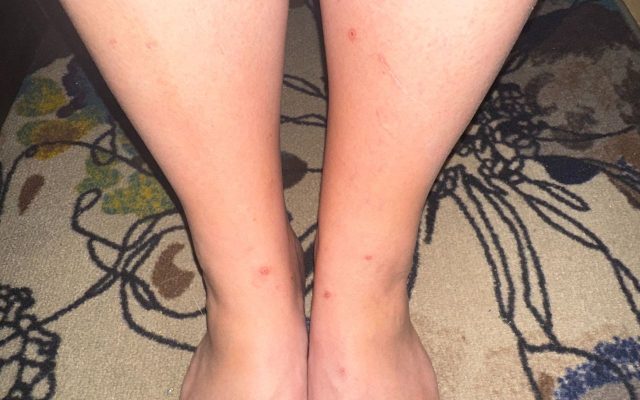
Bites and Itchiness:
Flea bites on humans often appear as small, red bumps (sometimes with a tiny puncture point in the center) that are extremely itchy. They tend to be clustered on the lower legs, ankles, or waist, basically where fleas can easily jump on. Some people get a red halo around the bite or even a rash. The itching can last for days and, if scratched excessively, can lead to secondary skin infections. On pets, flea bites cause intense scratching, chewing, and licking. Dogs might scratch their bellies, flanks, or the base of the tail raw. Cats often over-groom, removing fur in patches trying to relieve the itch.

Allergic Reactions:
Many pets (and even some people) are allergic to flea saliva. This condition is called flea allergy dermatitis (FAD). In dogs and cats, even a few flea bites can trigger severe itchiness, inflammation, and rash due to this allergy. You might see red, scabby bumps or extensive hair loss from the pet chewing their skin. Pets with FAD often get infections from all the irritation. Humans can also have allergic reactions, some people develop hives or generalized rashes from flea bites, beyond the typical small bite marks. If you notice your pet is extremely itchy or developing skin issues from fleas, it’s important to address it promptly (and possibly see a vet for relief); it’s not “just a normal flea itch” in those cases, it’s an allergic response.
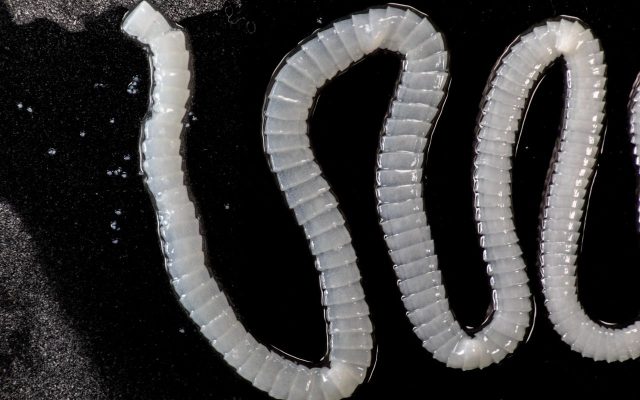
Tapeworms:
Fleas are notorious for transmitting tapeworms to pets. Tapeworm eggs are commonly present in flea larvae’s environment, and developing fleas ingest them. Later, if your dog or cat (or even a child) swallows an infected flea, which can happen during grooming or biting at itchy fleas, the tapeworm can develop inside the intestine. Pets with tapeworms may show weight loss or see rice-like tapeworm segments around their tail. While tapeworm infections in humans are less common, children can accidentally ingest fleas and get tapeworms too. It’s an unpleasant surprise to find out a seemingly minor flea issue led to intestinal parasites.

Anemia (Blood Loss):
In heavy infestations, especially for small or young animals, fleas can literally drain too much blood. Each flea bites and consumes blood daily; when hundreds are on a puppy or kitten, the cumulative blood loss can make them anemic. Signs of anemia in pets include pale gums, weakness, and lethargy. Severe flea anemia can be life-threatening to very young or frail pets. While adult humans won’t become anemic from flea bites, a heavily infested home will subject people to many itchy bites which can affect sleep and well-being.

Image Credit: Tom Murray, via FleaScience.com – Profile picture of an adult cat flea (Ctenocephalides felis).
Disease Transmission:
Fleas are capable of carrying and transmitting certain diseases, though serious diseases are less common with fleas here than, say, tick-borne diseases. One disease of note is murine typhus (a flea-borne typhus caused by bacteria Rickettsia) which is transmitted by infected flea feces getting into flea bite wounds. Murine typhus is rare in South Carolina, but cases have occurred in the southern U.S., and fleas are the vector. Historically, Oriental rat fleas transmitted bubonic plague from rats to humans. Plague is extremely rare now (a few cases in the Western U.S. each year) and not a concern in SC, but it’s a reminder of fleas’ role in disease. Fleas can also carry Bartonella bacteria, which cause cat-scratch disease in humans (cats get Bartonella from flea dirt and can then transmit it via scratches). And as mentioned, fleas give pets tapeworms, which is a kind of disease transmission too. The good news is that in the Midlands, fleas are mostly an itchy nuisance and a cause of skin problems, rather than significant disease spreaders. The bad news is that they can carry these pathogens, so it’s another reason not to ignore an infestation. For instance, flea-borne typhus has seen upticks in some states (like recent outbreaks in parts of Texas and California), so it’s wise to control fleas before such diseases have any chance to spread.
General Stress and Discomfort:
Don’t overlook the mental toll fleas can have, especially on pets. Constant biting and itching can make animals downright miserable and anxious. You might notice your dog can’t rest, or your cat is grooming obsessively. This stress can affect their sleep and behavior. For people, a flea-infested home can be very distressing, nobody likes feeling tiny bugs biting their ankles or worrying about rugs crawling with insects. It can literally make you feel uneasy in your own home until the issue is resolved.
Signs of a Flea Infestation
How do you know if you’re dealing with fleas? Often, homeowners might not see the fleas themselves at first because the clues can be indirect. Here are the common signs of a flea infestation to watch for, both inside your home and in your yard:

Pet Scratching or Grooming Excessively:
One of the first red flags is your dog or cat scratching, biting, or licking themselves far more than usual. They may seem restless or uncomfortable. Pay attention if a usually calm pet is now constantly chewing at their back or scratching their ears. Cats might start over-grooming (you may notice hair loss or more hairballs from all the licking). This behavior often indicates fleas biting them.
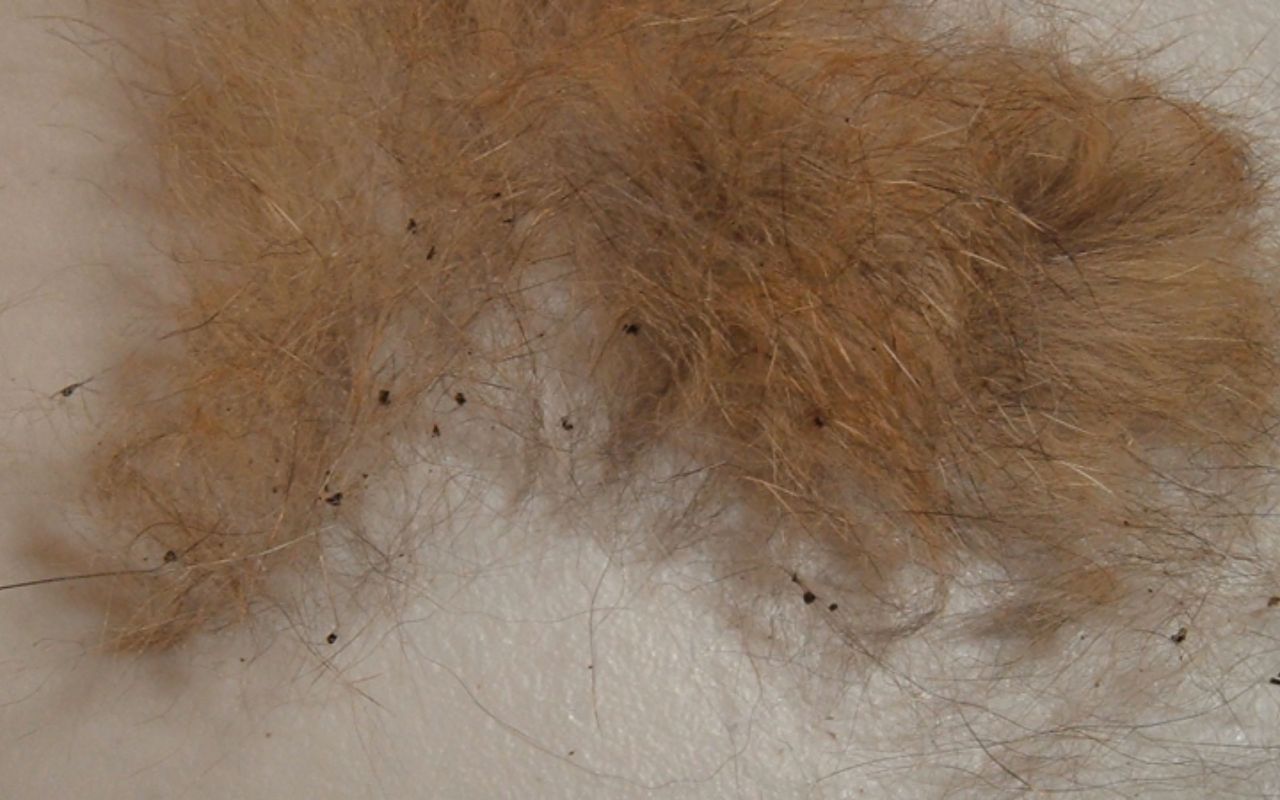
Flea Dirt (Black Specks):
Flea “dirt” is the polite term for flea feces which is essentially digested blood that fleas excrete. It looks like tiny black pepper-like specks on your pet’s fur or bedding. A classic test is to comb your pet over a white paper towel, then spritz the black specks with a bit of water. If they dissolve into red-brown streaks (because it’s dried blood), that’s confirmation of flea dirt. Finding flea dirt on the dog or cat is a strong indication fleas are present, even if you haven’t seen a live flea yet. Also check pet sleeping areas (blankets, carpet where they lie) for these black specks.

Bites on People:
Are you or your family members getting mysterious bug bites, especially on lower legs, ankles, or around the waist? Flea bites on humans often appear as small itchy red bumps, sometimes in clusters or lines (since a flea may bite several times while moving along an area of skin). They can easily be mistaken for mosquito bites or chigger bites. But if they’re mostly on your feet/ankles or you notice they occur after spending time on the couch or carpet, fleas could be the culprit. Many people in an infested home will first notice a few ankle bites when walking barefoot on the carpet – that’s often a telltale sign.

Seeing Adult Fleas:
Of course, spotting fleas jumping is confirmation. You might see a little brown dot darting quickly through your pet’s fur when you part it. Using a fine-toothed flea comb on your pet’s coat (especially around the neck or base of tail) can catch some fleas. Sometimes homeowners notice tiny dark bugs leaping off the carpet or furniture when they walk by. Fleas are fast and only about 1/16-1/8 inch long, so they can be hard to catch by eye. A trick is the white sock test: wear tall white socks and walk around areas where you suspect fleas (like the living room rug or pet bed). Fleas, if present, may jump on and will be much easier to spot against the white fabric. If you see any that way, you know you’ve got an infestation.

Flea Eggs or Larvae:
These are much harder to notice without a microscope. Flea eggs are tiny white ovals that could be mistaken for dust. Larvae are small pale worms that avoid light. It’s uncommon for homeowners to notice larvae outright, but sometimes when cleaning an infested area (like vacuuming under a pet’s bed), you might see some tiny wriggling worms, those would be flea larvae. More often, people notice a dusting of white grainy material where a heavily infested pet slept (which could be a mix of eggs and dried flea dirt). If you see something like that in your pet’s bedding, take a closer look.

Behavior of Pets:
In addition to scratching, pets might show other behavioral signs. Dogs with fleas might start shaking their head or scratching ears if fleas are biting there, or scooting their butt if they’ve ingested fleas (tapeworm irritation). Cats might become irritable or avoid certain areas of the house where fleas are worst. Some pets start hiding or perching in high spots to escape floor-level fleas. Pay attention to any unusual behavior in your animals, it can be a clue something’s bugging them (literally).
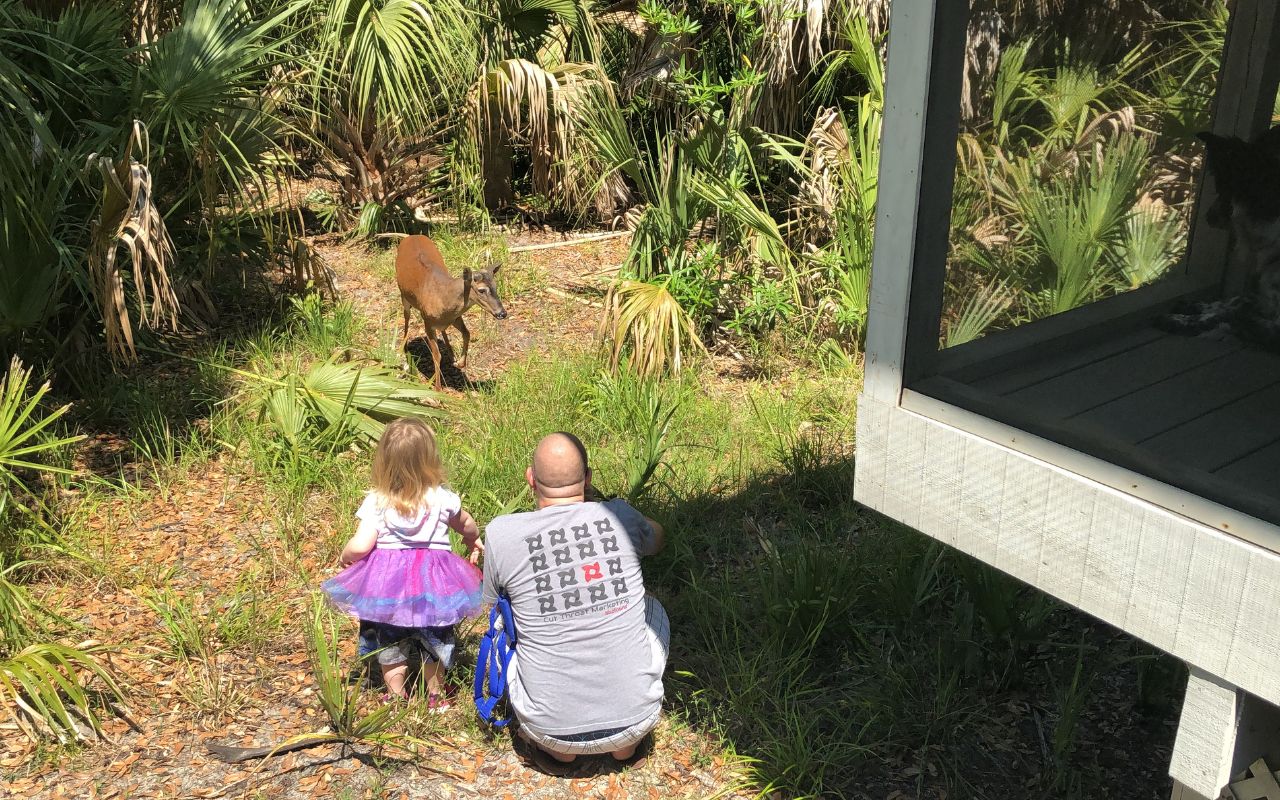
Yard “Hotspots”:
Outside, you might not notice fleas until they hitch a ride inside. But one sign could be your pet scratching or biting right after coming in from the yard. Another is if you have a spot in the yard where wildlife frequent (e.g., under a bird feeder or along a fence) and you happen to see your socks or legs picking up a couple fleas when you go there. If you suspect the yard, try the sock test in the grass or use a shallow pan of soapy water with a light over it at night in the yard, sometimes fleas are attracted and jump in. Generally, though, outdoor detection is tricky; it’s more about knowing that if your pet has fleas and they spend time outdoors, the yard is likely part of the problem.
In a Columbia home with a moderate or heavy flea infestation, you’ll typically notice multiple signs: a scratching pet, some flea dirt, and eventually bites on people or fleas visible. If you’re seeing any of these signs, it’s important to act quickly. Fleas reproduce fast (remember that life cycle) and a small problem can snowball into a big headache. Next, we’ll discuss how fleas likely got into your home in the first place and common ways these pests hitchhike inside.
DIY Flea Prevention for Home & Yard
Preventing fleas is much easier than trying to eliminate them after an infestation takes hold. Columbia homeowners can do a lot on their own to keep fleas at bay. Below are practical DIY flea prevention strategies that focus on your yard and home environment (and yes, include your pets too). These steps are effective, especially when done consistently:
Treat Your Pets (Year-Round):
While this guide focuses on pest control measures, we have to emphasize this crucial step; make sure your cats and dogs are on a veterinarian-approved flea preventative. Whether it’s a monthly topical, oral medication, or flea collar, protecting your pet means fleas that hitch a ride on them will be killed before establishing a foothold. Skipping pet treatment is a common reason DIY flea control fails; the fleas just keep re-infesting from the untreated animal. In South Carolina’s climate, vets recommend year-round flea prevention for pets. (Consult your vet for the best product, modern options are far more effective than old flea collars, for example.) Also, regular pet grooming helps by combing your pet with a flea comb weekly to catch any stragglers, and give baths as needed. A clean, well-groomed pet on preventive medication is your first line of defense against fleas.
Yard Maintenance to Reduce Fleas:
Fleas thrive in overgrown, shaded, cluttered yards, so tidy up your outdoor spaces. Keep your lawn mowed to a shorter length and rake up any leaf litter or grass clippings. Trim back overgrown shrubs and remove thick brush or ivy where humidity and shade stay high. Basically, let the sunlight in, sunlight and dry conditions are flea larvae’s enemies. Also, remove or reduce any harborage for wildlife that bring fleas. This means securing trash cans, not leaving pet food outside, and perhaps using fencing or repellents to discourage stray animals from napping on your property. If you have areas where your pet likes to rest outside (under a favorite tree or the porch), consider treating those spots periodically with a yard flea spray or diatomaceous earth. There are natural options like diatomaceous earth (a powder that desiccates fleas) you can sprinkle in dog runs or under decks, just be sure to use food-grade and follow safety instructions. Additionally, eliminate standing water and keep gutters clean, while this is more a mosquito tip, it also keeps the environment drier and less hospitable to fleas. Maintaining a neat yard will greatly cut down on flea hotspots before they start.
Vacuum Your Home Frequently:
Regular vacuuming is one of the most effective indoor flea prevention tools at your disposal. Vacuuming does several things: it sucks up flea eggs and larvae from carpets and floors, it removes the flea dirt that larvae need to feed on, and the vibrations can even stimulate cocooned fleas to emerge (which makes them more vulnerable). Make it a habit to vacuum high-risk areas at least once or twice a week, especially around pet bedding, under furniture, along baseboards, and rugs. Use a vacuum with strong suction and be sure to dispose of the bag or canister debris outside afterwards (fleas can survive inside a vacuum if you don’t remove the contents). Don’t forget upholstered furniture, vacuum couches and chairs where pets jump. If you have hardwood or tile, vacuuming or sweeping still helps by picking up eggs that might settle in cracks. Consistent vacuuming can remove a significant portion of developing fleas before they become biting adults. It’s simple but powerful preventive maintenance.
Launder Pet Bedding and Fabrics:
Wash your pet’s bedding frequently (at least weekly) in hot water. Flea eggs and larvae can’t survive the washer and dryer on high heat. Same goes for any blankets, throw rugs, or slipcovers that your pet lies on. If a toy or bedding is too infested, it might be best to discard it and get a fresh one. Keeping fabrics clean will continuously destroy whatever flea life stages have been deposited there. Also consider using a dryer heat on items that can’t be washed (20 minutes on hot in a dryer can kill fleas and eggs on dry fabrics). A clean rotation of bedding denies fleas a foothold.
Declutter and Clean Household “Hot Zones”:
Flea larvae like to hide in dark cluttered spots. So reducing clutter on floors (piles of stuff, boxes, etc.) makes your home less friendly to them and makes cleaning easier. Don’t neglect spots like under the bed or couch, try not to have too much stored on the floor where fleas could breed undisturbed. Regularly dust and clean under furniture. You can also deploy some preventive products in vulnerable areas: for example, lightly sprinkling boric acid or salt into carpet and then vacuuming can help dry out flea larvae (though be cautious using these if you have pets or kids who play on the floor, and always follow product instructions). There are also insect growth regulator (IGR) sprays available to homeowners that you can use in at-risk areas periodically; IGRs prevent flea eggs/larvae from maturing. Using an IGR spray in the home every few months (especially in spring/summer) can act as a preventative shield. Many over-the-counter flea home sprays include IGR (like methoprene or pyriproxyfen) for long-lasting effect.
Yard Treatments (if needed):
If you know your yard has been a source of fleas (maybe you had an issue before or you have lots of pet traffic), you might consider occasional yard treatment. This could be done with natural products like nematodes. Beneficial nematodes released into the soil can hunt down and kill flea larvae in the ground. They’re a pet-safe, eco-friendly option some homeowners use in warm months. Alternatively, there are yard insecticide sprays labeled for flea control that you attach to a hose and treat lawn and shaded areas. These can reduce flea populations outdoors (just be mindful of following the label and keep pets and kids off treated areas until dry). You don’t want to overuse chemicals, but targeted treatment of flea hotspots (e.g., doghouse area, under shady shrubs where the dog naps) in peak season can help knock down any developing fleas outside.
Monitor and Early Detection:
Make a habit of checking your pet with a flea comb now and then, even if they aren’t scratching. Early detection of one or two fleas can prompt you to ramp up prevention steps before it turns into something bigger. Keep an eye on areas where your pet spends time, if you see any signs (specks, etc.), respond immediately with cleaning and treatment. Sometimes setting a small dish of soapy water with a lamp nearby on the floor at night can serve as a flea trap, the fleas jump toward the light/heat and land in the water. It’s a simple way to monitor if you suspect a few fleas; finding any in the morning means it’s time to take action.
By consistently applying these DIY measures, you can greatly reduce the chances of a flea infestation. Think of it as creating a “no vacancy” environment for fleas: your pets are protected, the house is clean and vacuumed, and the yard is sunny and well-kept. Fleas that do arrive (and let’s face it, in South Carolina some will find their way over time) will have a much harder time establishing a breeding population. Remember, if you lapse on prevention and fleas get a foothold, it’s much more work to eliminate them. So ongoing vigilance is worth it for a flea-free home. Next, we’ll address some misconceptions about fleas that can trip up homeowners, busting these myths will further help you stay ahead of the problem.
Misconceptions About Fleas
Fleas are a misunderstood pest in many ways, and there are a few common myths that Columbia homeowners should not fall for. Let’s clear up some misconceptions:
“I don’t have pets, so I can’t have fleas.”
Myth bust: Even pet-free homes can get fleas. As discussed, fleas can enter homes on rodents, wildlife, or even a visitor’s pet or clothing. If the previous homeowner or a visiting animal left flea eggs, they can hatch and bite the current residents (you!) for blood. It’s less likely than in homes with pets, but very possible. Fleas will bite humans if no dogs or cats are around, they prefer furry hosts, but they’ll make do with people to survive. So any home in our environment is not automatically immune. Bottom line: No pets doesn’t always mean no fleas.
“Fleas only bother my pet, not me.”
Myth bust: Some people assume if their dog has fleas, the pests will stay on the dog. Wrong! Fleas will readily bite humans especially if the infestation grows or if a pet isn’t present. Many pet owners have been surprised by itchy ankles during a flea outbreak. In fact, noticing flea bites on yourself might be the first sign your pet has a problem.
“Fleas die off in the winter, so I don’t need to treat my pet then.”
Myth bust: In South Carolina, our winters are relatively mild. It rarely stays cold enough, long enough, to completely eliminate outdoor fleas. We often have stretches of warm weather even in January or February. Plus, indoor heating keeps fleas active inside year-round. Many vets stress year-round prevention because they see pets get fleas in cooler months too. Don’t be lulled by a chilly week or two, flea season here is basically 12 months with some slower periods. Stopping preventatives in “winter” is likely to give fleas an opening to rebound.
“Indoor-only pets can’t get fleas.”
Myth bust: Indoor cats or dogs can get fleas. Fleas can ride in on people or other items. You might bring one in on your shoe from the dog park or a visiting friend’s pet might drop a couple fleas. As noted above, rodents in the house can bring them to indoor pets. Once inside, a flea doesn’t care if your cat never goes out, it will happily live on that cat and reproduce. Indoor pets often have delayed diagnosis too, because owners aren’t checking for fleas. So even if Fluffy never steps a paw outside, keep an eye out and consider preventive measures, because fleas find ways indoors.

“If I only see a couple fleas, it’s not a big deal.”
Myth bust: Seeing one or two fleas should never be ignored. Remember the life cycle, those few adult fleas could have already laid dozens of eggs in your home. Flea populations can build very quickly. One female flea can produce hundreds of offspring in a month or two if unchecked. So a “small” flea problem does not stay small for long. It’s best to act at the first sign (with thorough cleaning, pet treatment, etc.) rather than wait until it’s a full-blown infestation. Many homeowners underestimate fleas until they have bites all over. Being proactive at the first flea sighting will save a lot of trouble.
“DIY sprays or home remedies alone will completely fix any flea problem.”
Myth bust: While DIY efforts are crucial (and we listed many effective ones), a severe flea infestation can be very difficult to eliminate completely on your own. Fleas have that protective pupa stage and can hide in countless tiny places. Home remedies like herbal sprays, dish soap traps, cedar chips, etc., might catch or repel some fleas but often won’t eradicate an established infestation. We mention this because some folks try a single approach (like bombing the house or spraying vinegar) and think the fleas are gone, only to have eggs hatch and the cycle start again. Successful flea control usually requires an integrated approach and sometimes professional-grade intervention. Don’t hang your hopes on one magic bullet remedy, be thorough and persistent (or call in help if needed).
By dispelling these myths, you can approach flea control with a realistic mindset. Fleas can affect any home, you should treat and prevent them consistently (even year-round), and small numbers aren’t harmless. Knowledge is power! Understanding the truth about fleas helps you respond properly and not get caught off guard. Now, speaking of thorough approaches, let’s discuss what professional flea control entails. Sometimes DIY isn’t enough, and that’s when calling the pros makes sense. So what do exterminators do for fleas, and what can you expect if you hire one in Columbia?
Professional Flea Control Options
Professional pest control technicians in Columbia, SC, are well-versed in dealing with fleas. If DIY measures aren’t getting the job done or the infestation is heavy, an exterminator can provide a targeted, powerful treatment to wipe out fleas at all life stages. Here’s how professionals typically approach indoor and outdoor flea problems:
Inspection and Customized Plan:
A good pest control company will start with a thorough inspection of your home and yard. They’ll identify flea “hot spots”, for example, checking carpets, pet bedding, beneath furniture, and baseboard crevices indoors, as well as shaded areas, dog houses, and entry points outdoors. This inspection is crucial because it informs the treatment plan. Every home can have slightly different flea sources (one might have more attic infestation from rodents, another just heavy carpet infestation from pets). The pro will tailor their approach to hit all the problem areas. They know common spots that homeowners might miss. In Columbia’s climate, they may pay special attention to humid areas like crawl spaces or porches where fleas can breed outside.
Indoor Treatment - Insecticides & IGRs:
Professional flea treatments inside the home usually involve a combination of an adulticide and an insect growth regulator (IGR). The adulticide is an insecticide that quickly kills adult fleas on contact. The IGR is a chemical that disrupts flea development (essentially rendering eggs and larvae unable to mature into adults). By using both, professionals attack the current biting fleas and prevent new ones from arising. They will typically use specialized equipment like misting applicators or ULV foggers to get insecticide into carpets, under furniture, and along baseboards where fleas and larvae hide. Common chemicals might include synthetic pyrethroids or others that are effective but also safe for indoor use when applied correctly. The IGR (such as methoprene or pyriproxyfen) gives residual protection for weeks to ensure stragglers don’t rebound. Professionals might do “spot treatments” rather than drenching everything, focusing on floors and pet areas instead of, say, spraying your kitchen counters (flea pros know to target low areas, carpets, under couch cushions, etc. where fleas live). They often will ask you to have vacuumed before they arrive (to stimulate pupae to emerge and remove debris) and to clear floor clutter so they can treat thoroughly.
Outdoor Treatment:
If you have a yard and pets that go outside, most Columbia exterminators will include an outdoor flea treatment as part of the service (it’s usually necessary to prevent re-infestation). Outdoors, they’ll focus on areas where your pets frequent and any spot where fleas are likely breeding (shaded dog runs, under decks, around shrubbery). They remove pet toys, food bowls, etc., then typically use a spray or granular insecticide across lawn edges, kennels, and soil where flea activity is suspected. They might use a hose-end sprayer or backpack sprayer to distribute the product. The goal is to knock down adult fleas and leave a residual in the environment for larvae. Sometimes they will increase the volume of water in the spray to help the insecticide penetrate mulch or grass where larvae reside. A good tech will also advise you on any yard issues, e.g. if lots of leaf litter is present, they might suggest cleaning that up because insecticide can’t reach fleas under heavy debris. Treating both inside and outside is important; if only inside is treated, the pets could just re-import fleas from the untreated yard (or vice versa).
Safety and family considerations:
Homeowners often worry about pesticides around pets and kids. Professional treatments are generally safe when done correctly. Technicians will instruct you on precautions – typically, everyone including pets should vacate the premises during an indoor flea treatment and not re-enter until the application has dried (usually a few hours). They avoid spraying toys, food areas, or surfaces that don’t need treatment. Once dry, modern flea control products have low toxicity to people and pets. Pros also take care to protect aquariums or remove pet water bowls before spraying. Many companies in Columbia advertise pet-friendly, family-safe treatments, using products approved by the EPA for indoor home use. Don’t hesitate to ask the provider about the products they’re using if you have concerns, they should be able to explain and put you at ease. In fact, hiring a pro can be safer for your family than overusing store-bought foggers yourself, since the pro will target, treat and know the proper dosages (avoiding the over-application mistakes that sometimes happen in DIY).
In summary, professional flea control involves a coordinated attack on fleas: inspection, precise application of potent products to both home and yard, and breaking the life cycle with growth regulators. Exterminators bring expertise and tools that can often resolve a nasty flea problem faster and more thoroughly than DIY efforts. In the next subsection, we’ll discuss exactly what you can expect when you hire a flea control service in Columbia, SC, from preparation to results, so you can be prepared and get the most value out of professional help.
What to Expect from Professional Flea Treatment in Columbia, SC
If you decide to bring in professional help for fleas, it’s helpful to know how the process will go. Here’s what Columbia homeowners can typically expect before, during, and after a professional flea treatment:
Before the Treatment - Preparation:
The pest control company will usually give you a checklist of prep steps to do before they arrive. Common prep tasks include: thoroughly cleaning/vacuuming the floors, washing pet bedding, and clearing floor clutter (so technicians can access all areas). You’ll also need to remove or cover any aquariums (and turn off aerators) and secure any sensitive pet animals like birds (they often suggest birds be removed due to their sensitivity). All people and pets should plan to vacate the house during service and only return after the recommended time (often 2-4 hours or whatever the product label specifies). It’s wise to arrange for your pets to be treated (or at least be on their flea preventative) at the same time, many companies require that, because treating the home while the dog still has fleas doesn’t solve the issue. In Columbia’s heat, if you’re getting an outdoor treatment too, you may be asked to water your lawn lightly a day before (to bring fleas to the surface) or mow the grass short and remove debris, as noted earlier. Doing these prep steps will maximize the effectiveness of the treatment.
During the Treatment - What Happens:
For an indoor service, technicians will apply the flea control products as described in the previous section. They’ll typically treat all rooms where pets go, plus adjacent areas (fleas can hop around). Don’t be surprised to see them focusing on baseboards, under furniture, carpet edges, and pet resting spots, that’s normal. The house may have a mild chemical odor afterward, but modern products are usually low-odor. For an outdoor service, they’ll spray yard perimeters, shady spots, and around structures. It usually doesn’t take more than an hour or two to treat a typical home and yard. The technicians might leave sticky monitoring pads or flea traps in certain rooms to gauge flea activity post-treatment. They should give you a rundown of what they did and any specific notes (like “we noticed a lot of fleas in the spare bedroom closet, so we gave that extra attention”). Many times, they will ask you to keep the HVAC fan on or windows open a crack for ventilation while it dries.
After the Treatment - Short Term:
Once you’re allowed back in, the first thing you may notice is that you still see some fleas for a little while, this is expected, and it doesn’t mean the treatment failed. In fact, in the first days after treatment, you might actually stir up more fleas (the IGR and insecticide flushes them out of hiding and eggs hatch into the treated environment). These should be dying fleas. Pest pros often advise that it’s normal to see fleas for up to 1-2 weeks post-treatment, but they should be fewer and more sluggish as time goes on. Continue to vacuum daily for at least 10-14 days. Vacuuming not only helps remove dead fleas, but it triggers any dormant pupae to emerge, and when they do, the residual insecticide will get them. You likely will notice a dramatic drop in bites within a few days; often homeowners report that right after the treatment, adult flea activity plummets. If your pet was miserable with fleas, you should see them be much more comfortable now. Do monitor your pet though, occasionally a new batch of fleas hatching can hop on before they die, so you might still comb off a few in the first week. Keep the pet on flea prevention through this entire process so any that do get on them are killed.
After the Treatment - Follow-Up:
If your service includes a follow-up, the company will come back after about 2 weeks to repeat the treatment (usually a lighter touch-up unless fleas are somehow still heavy). If it doesn’t include automatic follow-up, pay attention around that 2-3 week mark. If you are still seeing fleas at that point (for example, you see new fleas jumping or biting past the third week), you should call the company, most offer a warranty and will come back to re-treat problem spots. In many cases, a single well-executed treatment does the trick, but flea infestations can be stubborn, so that second visit is like insurance.
Effectiveness and Outcomes:
In Columbia’s environment, when a professional flea job is done correctly and the homeowner does their part, the results are usually excellent. Expect that within about 3 weeks your flea problem should be effectively eliminated, often sooner. Complete elimination can take a little time because of the life cycle, but you should see steady improvement. From the customer perspective, “effectiveness” means no more bites on you and no more scratching on the pets. You might also notice the house feels cleaner (all that vacuuming and prep!). If a month has gone by and you still detect active fleas, that’s an outlier and you’d want to alert the pest control company for further action.
In summary, when you get a professional flea treatment in Columbia, SC, expect to be involved in preparation, expect to leave the home for a few hours, expect a thorough treatment targeting all the right areas, and expect a bit of patience as the last stragglers die off. The investment typically pays off in a flea-free home and much faster relief than struggling for months with home remedies. Now that we’ve covered both DIY and professional angles, let’s consider some local factors unique to Columbia that can influence flea issues, and then we’ll wrap up with key takeaways.

Local Factors in Columbia, SC That Worsen Flea Issues
Every region has its nuances when it comes to pests. In the Columbia area and the broader South Carolina Midlands, several local factors can influence flea populations and how homeowners deal with them:
Climate and Season Length:
As we’ve touched on, Columbia’s climate is a big one. The long warm season and mild winter mean fleas can breed nearly year-round. We get very hot summers which can actually dry out some spots (potentially killing some flea larvae outdoors in exposed areas), but our summers also bring thunderstorms and humidity that create pockets of perfect flea habitat. The fact that a “hard freeze” is infrequent and short-lived in our area allows fleas (and their wildlife hosts) to remain active through winter. Essentially, there’s no true off-season, you can’t rely on winter to reset the clock on fleas. Homeowners need to be vigilant in all seasons. For instance, Richland County might have 70°F days in December; any fleas or eggs will happily continue their life cycle during those periods.
Abundant Wildlife and Strays:
Columbia and its suburbs have plenty of wild animals that carry fleas. We have large populations of gray squirrels, raccoons, opossums, and rodents that thrive in residential areas. Feral and stray cats are also common in many neighborhoods. All of these animals can drop fleas into your yard. A single raccoon passing through could leave flea eggs that later jump on your dog. Neighborhood feral cats often nap under decks or porches for shelter, and deposit fleas there. Even urbanized wildlife like opossums are known to carry significant numbers of cat fleas (fun fact: opossums often host lots of ticks and fleas). If you live near a wooded area or have a lot of animal activity, you may face more persistent flea introductions. Local pest control pros often note that controlling fleas isn’t just about your pets, but also sometimes about discouraging wildlife from coming close to your home. In more rural fringes of the Columbia area, people with chickens might encounter the “sticktight flea” (which attaches around poultry’s eyes and ears), not common in homes, but a consideration if you have outdoor animals. Knowing the local critter scene helps, for example, if you see stray cats around, you might proactively treat your yard or set traps to relocate the strays, as they could be the source of recurring fleas.
Allergies in Pets:
Interestingly, vets in the Columbia area often see high rates of flea allergy dermatitis in dogs and cats. Whether it’s due to genetics or the fact that fleas are omnipresent here, many pets develop severe reactions. This local trend means even a few fleas can cause outsized problems for Midlands pet owners. So our local pet community tends to be pretty aggressive about flea control (year-round prevention, etc.). You may hear from your vet that “one flea bite can set off an allergic dog’s itching for 2 weeks” is not an exaggeration. Therefore, Columbia homeowners with pets often can’t afford to be complacent about “just one flea.”
Sandy Soil Pockets:
In some parts of South Carolina (including areas around Columbia), the soil can be quite sandy. Flea larvae actually do okay in sandy soils, as it drains well but can stay damp below the surface. If your yard is sandy (like parts of Lexington or near riverbeds), you might find that fleas in the soil are a bit more resilient. Contrast that with pure clay soil that bakes rock-hard in the sun is not as friendly to flea larvae. It’s a micro-factor, but worth noting for those who garden or notice soil types; you might adjust yard treatments accordingly.
Local Events and Travel:
Columbia’s dog parks, hiking trails, and even community events (like bring-your-pet days) can be sources of flea transfer just because of the volume of pets mixing. If you take your dog to the popular riverwalk or Congaree National Park trails, keep in mind the area has wildlife and other dogs that are prime conditions for picking up freeloaders on that fur. Being aware of this, many local pet owners double down on prevention during peak outing seasons (spring/summer). Also, military families or college students moving in/out of Columbia can sometimes inadvertently bring pests from elsewhere. We have Fort Jackson and USC which are transient populations that could introduce fleas from other regions via belongings. It’s another reason to keep up regular home cleaning and pest checks, especially if you’ve just moved here or have a neighbor who had pets and moved out.
Humidity from the Rivers:
Columbia’s three rivers (Congaree, Broad, Saluda) and Lake Murray nearby contribute to a generally humid environment. Even when it’s hot, there’s moisture in the air. Fleas love humidity (around 75% RH is great for them). In drier climates, indoor heating systems can dry out homes enough to slow fleas, but here our ambient humidity often stays higher. That means inside our houses, especially if you don’t run aggressive air conditioning, humidity might stay in a range that lets flea eggs and larvae thrive. Running AC or a dehumidifier can actually help as a supplemental flea deterrent by keeping indoor humidity lower (flea eggs dry out and die if it’s too arid). It’s a small local consideration that our muggy summers can even translate to flea-friendly conditions indoors.
In essence, Columbia’s warm, humid, wildlife-rich environment stacks the deck in favor of fleas unless we actively counteract it. But the advantage we have is knowledge and resources. We know fleas are an issue, so we can prepare accordingly. In the final section, we’ll wrap up with key takeaways and a positive note: even in South Carolina’s flea-friendly climate, you can win against fleas and keep your home comfortable. It just takes the right approach, and now you have the local intel to do it.

Winning the Fight Against Fleas in South Carolina: Your Final Action Plan
Fleas may be a fact of life in South Carolina’s environment, but as a homeowner in Columbia you are far from helpless against them. Let’s recap some key takeaways and final tips from this guide:
Fleas are a year-round threat in Columbia.
Our climate allows fleas to survive and reproduce nearly all year, especially with heavy activity from spring through late fall. Don’t let your guard down in cooler months, keep pets on prevention and stay vigilant always.
Understanding the flea life cycle = power.
Knowing that eggs, larvae, and pupae are lurking in your home and yard (not just the adult fleas on your pet) is crucial. It explains why just killing adult fleas isn’t enough; you must break the cycle by targeting those other stages through cleaning and IGRs. Patience is key because those cocooned pupae can take weeks to all emerge. With persistence, you will get them.
Prevention is the best cure.
It’s so much easier to prevent an infestation than to eliminate one. Use the layered approach: keep your yard trimmed and unfriendly to flea hosts, vacuum and clean regularly, wash pet bedding, and most importantly, protect your pets with flea control products. Small habits, like a quick vacuum every few days and not leaving pet food outside, can make a huge difference long term. Many homeowners in Columbia find that with consistent prevention, they rarely (or never) have to deal with a full-blown infestation.
Professional help is often a fast track to relief.
There’s no shame in calling the pros if fleas get out of control or if you just want extra peace of mind. Professional treatments in Columbia are designed for our local conditions and can knock out fleas quickly while advising you on preventing their return. It’s often the case that after one thorough professional service and maybe a follow-up, homeowners report a night-and-day difference, from being eaten up by fleas to none at all. That comfort and sanity you regain is worth it! Plus, you’ll learn from the experts about how to fortify your home against future pest invasions.
Don’t fall for myths - fleas require proactive action.
Even if you have no pets or mostly indoor pets, fleas can still find a way in. And if you spot even a couple fleas or bites, act fast. It’s much cheaper and less stressful to address a minor issue now than a major issue later. There’s no harm in doing a preventative flea treatment of your home or yard if you suspect risk. An ounce of prevention is worth a pound of cure, as they say.
Integrated approach for the win:
Ultimately, beating fleas often takes a combination of efforts. Personal diligence + professional tools + community awareness is the winning formula. You handle your pets and home hygiene, professionals can assist with tougher measures, and staying informed (e.g., via Clemson Extension resources or local vet advice) rounds it out. Columbia’s community is pet-friendly and many of us have gone through flea battles, use that network. For instance, your neighbor might have a great recommendation for a pest service, or a local pet group might share when fleas are bad in a certain park.
Imagine enjoying your home and yard without that nagging worry of little bugs biting your ankles or making your dog scratch like crazy. It is achievable. Many Columbia homeowners who implement the strategies we’ve discussed see dramatic improvements. Some have even said it’s like getting their life back, being able to relax on the carpet with the kids or let the dog on the couch without fear of fleas. The comfort of a flea-free household is well worth the effort put in.
In the end, remember that vigilance and consistency are your best allies. Start prevention early (don’t wait until you see fleas), and keep up the routine. If you do get fleas, act decisively because the longer you wait, the more they spread. And don’t hesitate to get help if needed. By taking fleas seriously and using the knowledge from this guide, you can outsmart these pests. Here’s to a comfortable, itch-free home for you and your pets in Columbia, SC!