Stop the Squeak Before Winter:
The Ultimate Homeowner’s Guide to
Mice and Rats
As the vibrant colors of autumn fade and the familiar cool air settles over Columbia, South Carolina, we all start getting ready for winter. We pull out our cozy sweaters, turn up the furnace, and maybe even light a fire. But as we prepare our homes for warmth, we often forget that we’re not the only ones seeking shelter from the slight chill.
Mice and rats, those incredibly resourceful and highly adaptable visitors, view your warm, cozy house as a five-star, all-inclusive resort, especially when the temperature dips. In the pest control industry, we see a massive spike in rodent activity this time of year as these critters exchange the great outdoors for the great indoors.
At Jeffcoat Pest and Home Services, we’re not just about removing pests; we’re about educating you on how to make your home a fortress against them. Because when it comes to rodents, an ounce of prevention is worth far more than a pound of cure.
This guide will walk you through the essential steps to identify, deter, and ultimately defeat the rodent threat, protecting your family and your property from these destructive housemates.
Your Home is NOT a Motel:
Why Rodents Are Knocking (and How They Get In)
Before we talk about exclusion, it’s critical to understand the motivation behind the invasion. Rodents have three primary drivers, and your home provides all three perfectly:
- Shelter and Warmth: Rodents cannot regulate their body temperature well in extreme cold. Your walls, attic, and crawl spaces offer insulation and protection from the elements.
- Food Supply: A single box of dry pasta, a bag of pet food, or even crumbs under the toaster are sufficient to sustain an entire family of mice for weeks.
- Water: Condensation on pipes, a leaking faucet, or even moisture accumulation in a dark corner provides all the water they need.
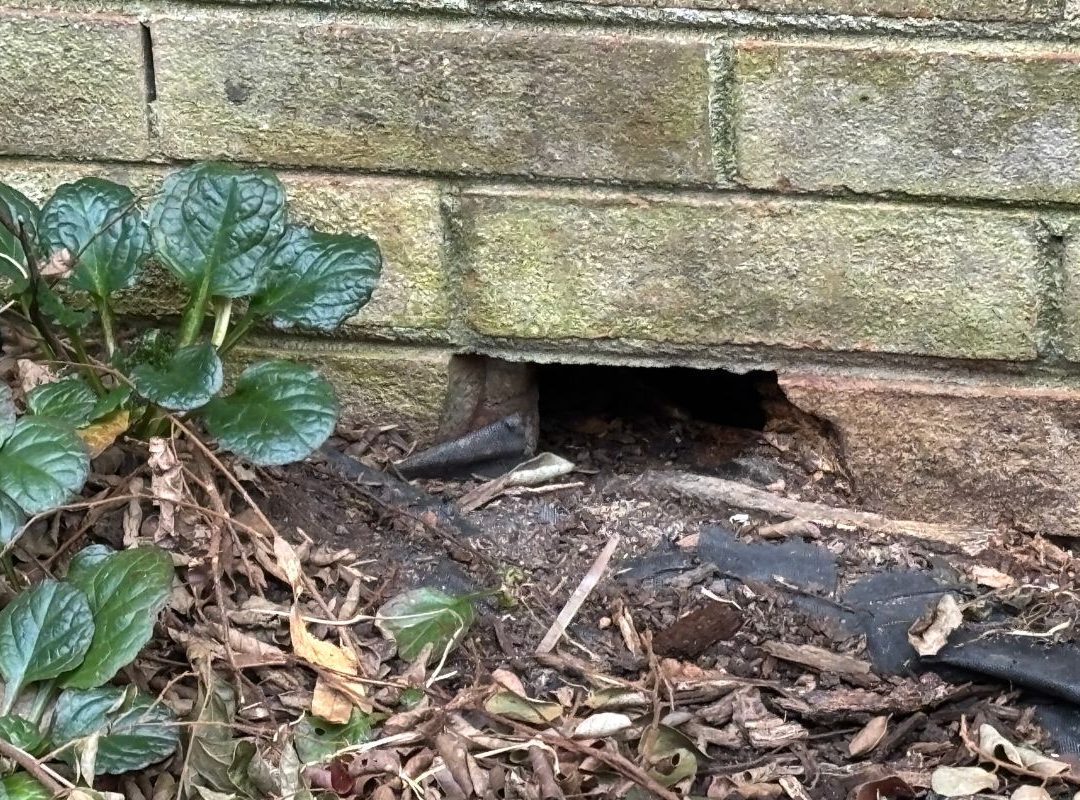
The most shocking part? They don’t need much space to enter. A mouse can squeeze through an opening the size of a dime (about ¼ inch), and a rat only needs an opening the size of a quarter (about ½ inch). If you can stick a pencil into a gap, a mouse can use it as a doorway.
This incredible adaptability means that a general walk-around inspection is not enough. We need to get surgical with our exclusion plan.
Whispers of an Infestation: Decoding the Silent Signals
Mice and rats are masters of stealth. You might not see them, but they always leave clues behind. Knowing the difference between a small problem and a burgeoning crisis depends entirely on your ability to read these “silent signals.”
1. The Evidence Trail: Droppings
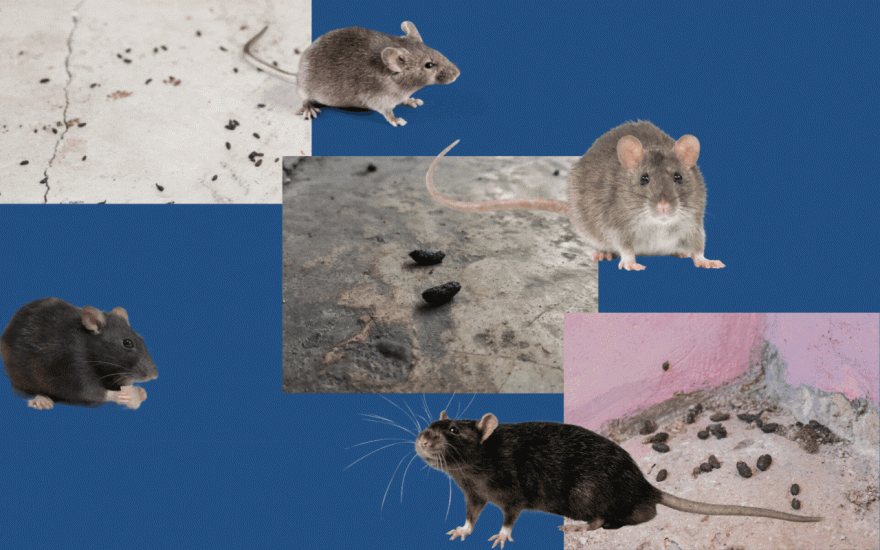
This is the most common and definitive sign of a rodent infestation. The appearance and location of these dark pellets can tell you exactly what kind of uninvited guest you have:
- Mouse Droppings: These are the smallest indicators, typically measuring only ⅛ to ¼ inch long. They are dark, pellet-shaped, and distinctively pointed at both ends. You will often find these droppings scattered randomly in high-traffic areas, such as inside kitchen cabinets, drawers, or along the protective corners of walls.
- Norway Rat Droppings: These are significantly larger and heavier, ranging from ½ to ¾ inch long. They are dark, blunt-ended, and often resemble the size and shape of a large raisin. Unlike mice, Norway rats are more cautious and tend to deposit their waste in centralized, specific groupings rather than scattering them sporadically.
- Roof Rat Droppings: While also about ½ inch long, Roof Rat droppings are generally thinner, more spindle-shaped, and often slightly curved with pointed ends. Since these rats are excellent climbers, you’ll typically find their droppings in elevated locations, such as along rafters, ceiling beams, or in the attic.
Crucial Note: The freshness of the droppings is key. Older droppings are dull, dried, and crumbly. Fresh droppings are dark, moist, and shiny. Seeing fresh droppings means you have an active infestation that requires immediate attention.
2. Destruction in Progress: Gnaw Marks
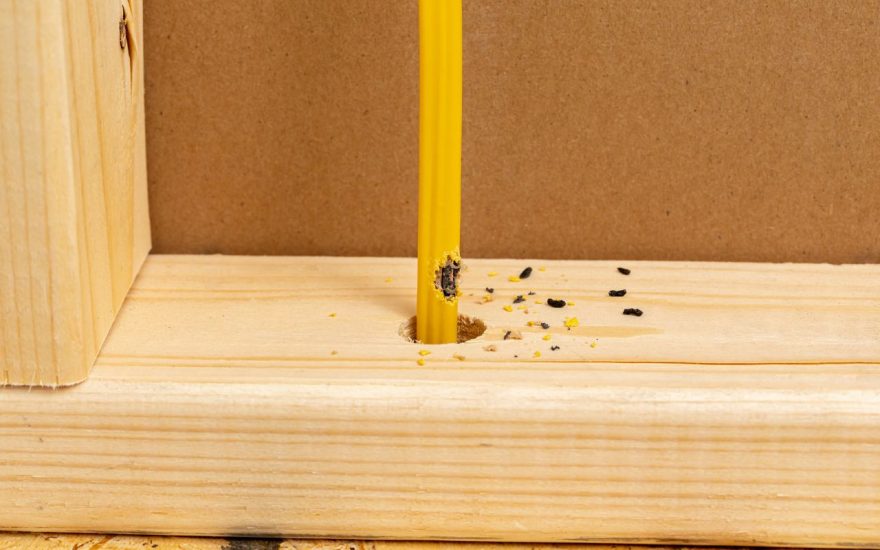
Rodents, particularly rats, must constantly gnaw to wear down their continuously growing incisor teeth. This is not just a habit; it’s a survival necessity, and your home is the target.
- Materials: They chew on everything: wood, plastic, soft concrete, wires, plumbing, and drywall.
- The Danger: Chewed electrical wiring is one of the leading causes of house fires, making rodents a severe safety hazard, not just a nuisance.
- Appearance: Mouse gnaw marks are tiny and fine, like scratches, in random patterns. Rat gnaw marks are much larger, deeper, and usually appear in parallel grooves, suggesting a heavy-duty job. Look for these marks on the bottom corners of doors, pipe entry points, and food containers.
3. The Soundtrack of the Night: Auditory Clues
If you hear sounds in your walls, ceilings, or attic, especially after dark, it’s a strong indication of rodent activity.
- Scratching and Skittering: Mice are light and fast; you’ll hear light scratching, especially as they move along pipes or joists.
- Thumping or Heaviness: Rats are larger and heavier. Their movements often sound like a more distinct thumping or scuttling noise.
- Squeaking: While less common, fighting or mating rodents can produce audible squeaks, usually from wall voids or the attic.

4. Pathways and Grease Smudges: Rub Marks
Rodents tend to follow the exact same path every time they travel between their nest and a food source. Over time, the dirt, oil, and grease on their bodies rub off onto the surfaces they traverse, creating dark, greasy streaks.
- Where to Look: Look for these rub marks along baseboards, on pipes, behind large appliances (like the stove or refrigerator), and on wall corners in basements or utility rooms. A well-defined rub mark indicates a long-standing, established route.
5. Nesting Materials
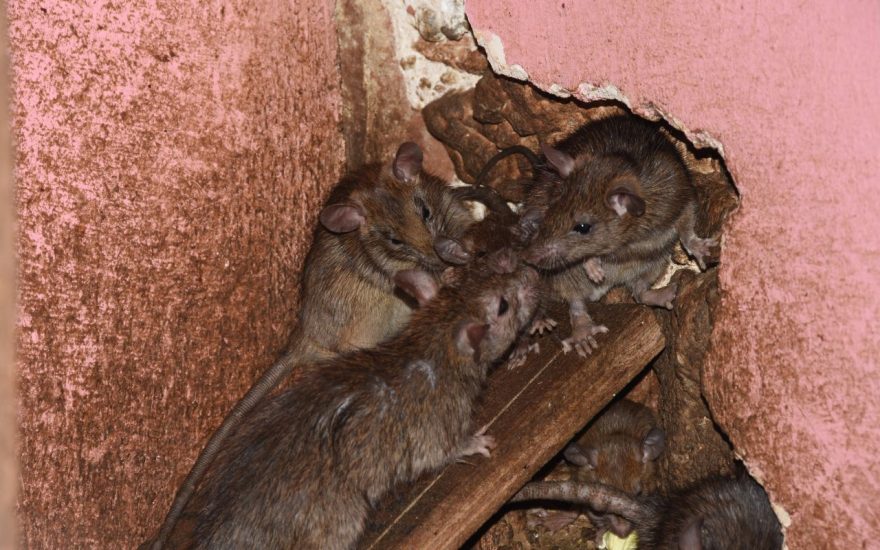
Mice and rats use shredded paper, fabric, insulation, dried plant matter, and other soft fibers to build their nests. Finding a pile of finely shredded material, often tucked into a hidden, warm place (like behind a water heater or under a cabinet), confirms a nesting site.
Fort Knox for Critters: Master the Art of Exclusion
Since a mouse needs only a quarter-inch opening, the single most important step in prevention is sealing every potential entry point. We call this “rodent-proofing” or “exclusion.” This process must be meticulous, starting from the ground up and moving around the entire perimeter of your home.
1. The Foundation and Utility Entry Points
Focus on the base of your home and anywhere something passes through the exterior wall.
- Pipes and Wires: Check where A/C lines, water pipes, cable wires, and electrical conduits enter the house. Even if the gap looks tight, use a durable sealant.
- The Best Materials: Copper mesh or steel wool is excellent for stuffing into gaps first, as rodents cannot chew through metal. Follow up with a high-quality sealant (like silicone caulk or expanding foam with metallic mesh embedded). Never rely on standard expanding foam alone, as rodents chew right through it.
- Vents and Louvers: Ensure all foundation and roof vents are covered with intact, rust-proof, heavy-gauge wire mesh (¼ inch hardware cloth).
- Garage and Basement Windows: Repair any broken glass or screen and ensure frames are tightly sealed with caulk.
3. The Roof and Eaves: Above-Ground Access
Rats, especially Roof Rats, are excellent climbers and will use trees, utility poles, and vines to access your roof.
- Roof and Soffit Gaps: Inspect the junctions where the roof meets the eaves (the soffit). Use concrete patching or metal flashing to cover any large gaps.
- Chimneys: Ensure your chimney flue has a tight-fitting, secure cap or screen to prevent entry.
- Loose Shingles: Fix loose or missing shingles or fascia boards, as these create hidden openings to your attic.
The Golden Rule of Exclusion: When sealing, always use a material that is durable, weather-resistant, and cannot be chewed through (metal, concrete, or heavy sealant).
2. Doors and Windows: The High-Traffic Areas
These are the most overlooked entry points because homeowners assume they are sealed.
- Door Sweeps: Install heavy-duty, weather-resistant door sweeps on all exterior doors, especially the garage door. The seal must be tight enough that you can’t slide a penny underneath the door.
- Garage Seals: The rubber seals around the perimeter of your main garage door often degrade over time. Replace these seals to ensure a tight fit when the door is closed. This is a critical rodent highway.
- Sliding Doors and Windows: Check for gaps, especially at the point where the two sides overlap.
Operation Clean Sweep: Removing Food and Water Attractants
If you eliminate their shelter, they will still try to get in if your home is advertising a feast. Sanitation and storage management are your second line of defense.
1. Kitchen Zero Tolerance Policy
Focus on the base of your home and anywhere something passes through the exterior wall.
- Secure Food Storage: All dried foods, including flour, sugar, rice, cereal, pasta, and pet food, must be stored in thick, tightly sealed containers made of plastic, glass, or metal. Cardboard and thin plastic bags are no match for rodent teeth.
- Countertop Vigilance: Clean up all crumbs and spills immediately. Rodents need surprisingly little food to survive. Do not leave dirty dishes in the sink overnight.
- Appliance Check: Clean thoroughly under and behind your stove, dishwasher, and refrigerator, as spilled grease and dropped food are major attractants.
2. Trash Management
The trash can is a rodent buffet.
- Indoor Trash: Use cans with tight-fitting lids and empty them frequently.
- Outdoor Trash: Keep outdoor bins away from the house and ensure they have functional, secure lids. If possible, keep them in a secured shed or garage.
3. Water Source Control
Mice and rats need water just like us. Eliminate their watering holes.
- Fix Leaks: Repair any leaky pipes, toilets, or faucets immediately. Even a slow drip in a crawl space can be a lifeline for a rodent colony.
- Pet Water Bowls: Do not leave them out overnight, especially in basements, garages, or laundry rooms.
- Condensation: Address excessive condensation around pipes, HVAC units, or in basements with dehumidifiers.

The Perimeter Defense: Landscaping and Yard Management
The exterior of your property can either be a staging area for invasion or a deterrent.
1. Vegetation and Tree Trimming
Focus on the base of your home and anywhere something passes through the exterior wall.
- Trim Branches: Trim tree branches back at least six feet from the roofline. Roof rats, in particular, will use these branches as bridges directly to your attic.
- Shrubs and Vines: Keep dense shrubbery, ground cover, and ivy trimmed back and away from the foundation of the house. These provide excellent cover for rodents to hide, travel, and access entry points undetected. A clear 12-inch border between the foundation and vegetation is ideal.
2. Wood Piles and Storage
The trash can is a rodent buffet.
- Elevate Firewood: If you store firewood, stack it neatly on a rack off the ground (at least 18 inches) and keep it as far away from the house as possible. The same goes for excess construction materials, old tires, or general clutter. These areas are prime nesting sites.
- Compost Piles: Locate compost piles far from the house. Avoid composting meat, dairy, or oily foods, which are strong attractants.
3. Bird Feeders
While bird feeders are lovely, they are essentially providing a free, easy food source for rodents. Spilled seed is an irresistible feast for mice and rats. If you use bird feeders:
- Use Catch Trays: Use feeders with trays that catch spilled seed.
- Clean Up: Clean up all spilled seed from the ground daily.
- Nighttime Storage: Consider bringing feeders inside at night, especially during an active infestation.

The Professionals of Prevention: Why Jeffcoat Pest is Your Best Defense
While an informed homeowner can perform exclusion and sanitation tasks effectively, mice and rats are relentless and extremely difficult to eradicate once they establish a colony. DIY methods often fall short because of three key factors:
1. Hidden Access
You may seal 99 out of 100 entry points. But remember, they only need one. Professional pest technicians, like those at Jeffcoat Pest, are trained to spot minuscule and unconventional entry points, such as the tiny gap behind a gutter, the loose mortar joint, or the space where the sewer line exits the foundation – that homeowners typically miss. Our inspections are exhaustive and forensic.
2. Safety and Efficacy of Control
If rodents are already inside, control and removal become necessary.
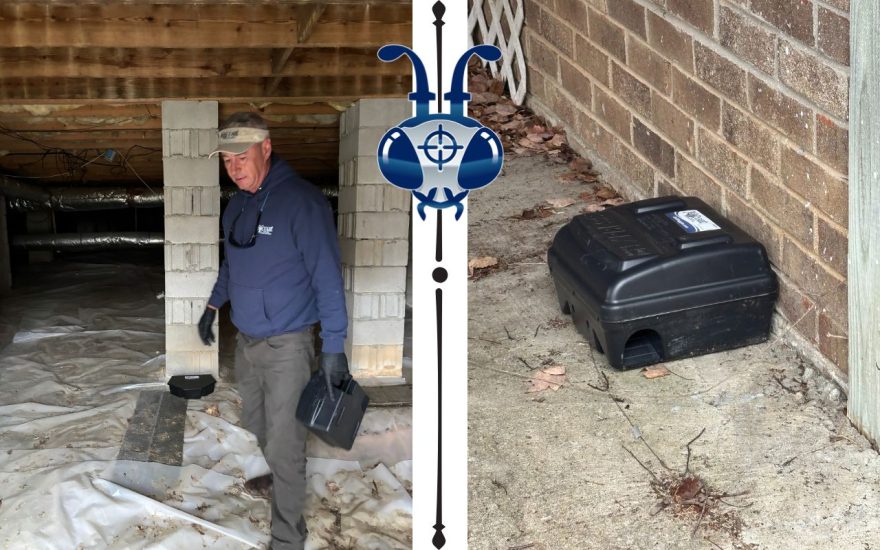
- Bait and Trapping: Proper placement of traps and bait stations is crucial. Misplaced traps are ineffective, and carelessly placed bait can be hazardous to pets or children.
- Hazard Removal: Rodent infestations leave behind hazardous materials (droppings, urine, and nests) that must be safely cleaned and sanitized. We handle the biohazard removal, protecting your health.
3. Long-Term Strategy
Our approach at Jeffcoat Pest in Columbia, SC, is not a one-time fix. We implement a Total Rodent Management Program that includes:
- Comprehensive Inspection: Identifying the specific species (mouse or rat) and the source of the infestation.
- Exclusion: Sealing the gaps using professional, durable materials.
- Control and Removal: Safely and efficiently eliminating the existing population.
- Monitoring and Maintenance: Setting up ongoing monitoring stations to ensure the problem does not return, which is essential for lasting peace of mind.
Rodents reproduce rapidly. A small mouse problem can turn into a serious infestation in a matter of weeks. The sooner you bring in a professional, the less damage and stress you will face.
Final Check: Your Year-Round Rodent Prevention Checklist
To keep your home rodent-free all year long, turn these one-time fixes into habits:
- Daily: Wipe down kitchen counters, sweep up crumbs, and store pet food securely.
- Monthly: Inspect the rubber seals on garage and exterior doors for wear and tear.
- Quarterly: Conduct a walk-around inspection of your home’s exterior, checking utility penetration points and foundation vents.
- Annually (Fall): Trim back tree limbs and vegetation, and schedule a professional inspection before the first frost hits Columbia.
Don’t Wait for the Squeak to Start!
The time to act is now, before the cold truly sets in and turns your home into a target. If you live in Columbia, South Carolina, and you’ve noticed any of the silent signals or simply want the confidence that comes with a professionally fortified home, the team at Jeffcoat Pest and Home Services is ready to help you Quit Buggin’ about rodents.
We provide thorough inspections, guaranteed exclusion services, and ongoing protection plans tailored specifically for the seasonal challenges of the Midlands area.
Ready to build your rodent-proof fortress?